The ROPO Effect: Why Your Next Showroom Sale Starts Online
The ROPO Effect: Why Your Next Showroom Sale Starts Online
If you're a furniture retailer, this ones for you!
Imagine a customer spending three weeks looking for a sofa. They've clicked your ads, visited your website, compared styles, checked measurements and read reviews. Then, one Saturday, they walk into your showroom, sit on the sofa they've had their eye on and buy it.
Great news. Another sale for the showroom team.
But what about everything before that? The Google search that introduced them to you. The advert that brought them back. The hours spent researching your products. All of it played a part, yet your website's sales figures show nothing.
Welcome to ROPO: Research Online, Purchase Offline.
The Problem with Measuring What We Can See
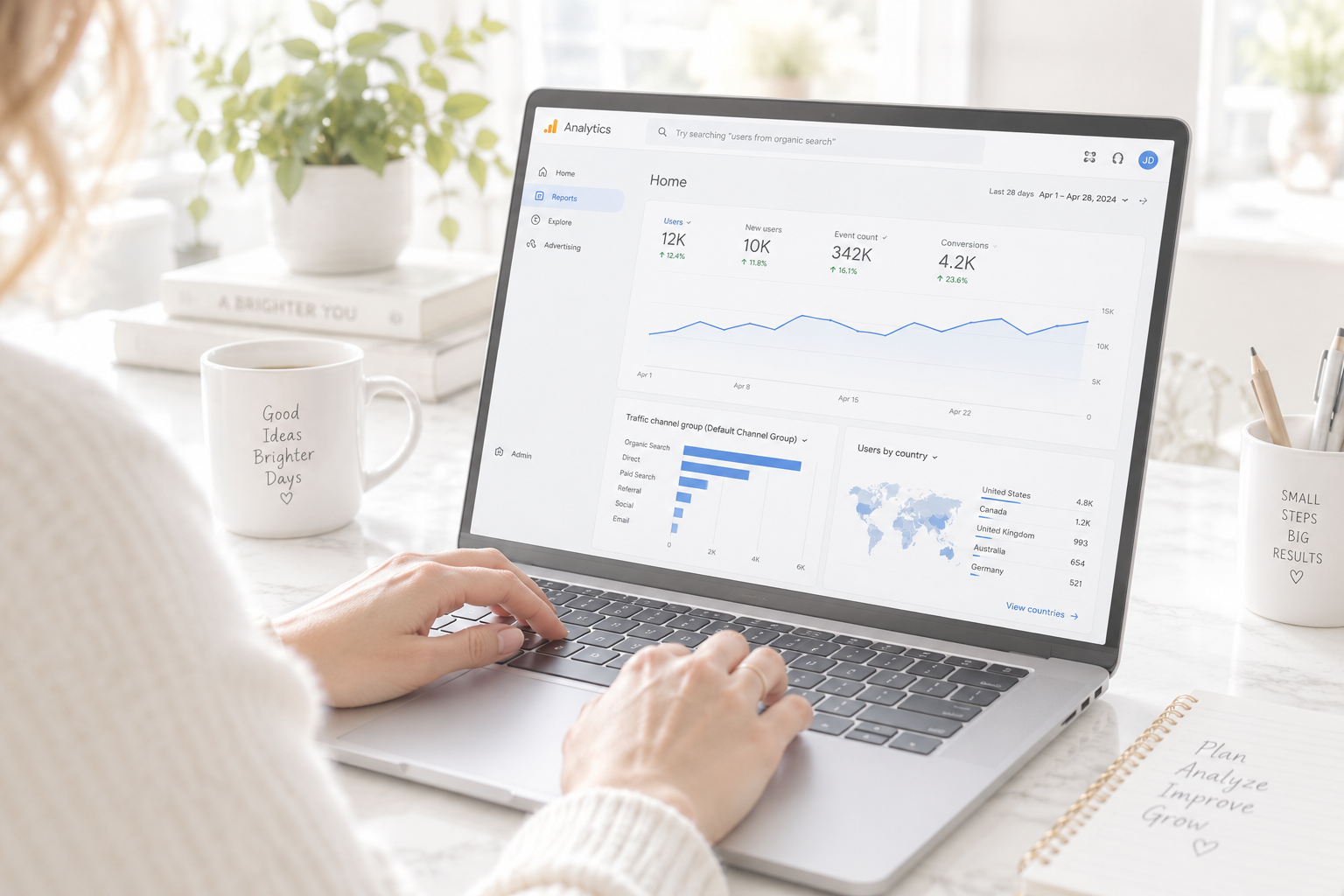
We're pretty good at measuring websites. We know who's visiting, which products interest them and what gets bought. Reporting dashboards certainly aren't in short supply! But when someone researches a £3,000 sofa online and buys it in-store, can you connect those dots?
To a degree, yes.
Google Ads offers measurable Store Visits data for eligible retailers. It estimates showroom visits following advert interactions using aggregated data and modelling, rather than tracking individual customers, so it's not perfect, but it can help show which campaigns encourage people through your doors. That's more useful than celebrating another thousand clicks with no measurable outcome. Organic search offers clues too. An abandoned basket isn't a lost sale. Someone might add a three-seater sofa, mattress or recliner to their basket, then decide they'd rather try it in person.
We're seeing this with one our clients, Haskins Furniture. In recent conversations between our team here at SONDR and their marketing team, we have been able to identify a direct correlation between products added to baskets online and customers coming into the showroom to purchase those same items, showing that an add-to-basket can signal genuine buying intent, even without an online purchase.
You can also connect enquiries with sales. Someone enquires about a dining table online, then spends £2,500 in-store two weeks later. With the right connections between your website and sales data (and appropriate permissions) you can start linking enquiries to showroom purchases.
Then the question changes from 'Which campaigns generate enquiries?' to 'Which campaigns help generate sales?' And that's a much more useful conversation.

What About the Customers You Can't Track?
Not everyone fills out a form. Some browse, drive over and buy, while others research for months. You won't connect every journey, but you can watch for signs of intent. Are people checking opening hours, requesting directions or calling your showroom?
These actions don't guarantee a sale, but tracked alongside estimated visits and showroom figures, they help build a fuller picture. And don't overlook simply asking customers how they found you.
There's a big difference between not measuring everything and not measuring anything.
Your Customers Don't Think in Channels
Online and showroom sales may have separate budgets and targets, but your customers don't shop that way. Someone finds a dining table on Google, sees it on Instagram, browses your website and visits the following weekend. To them, it's one shopping journey. They don't care whether the sale gets credited to Google Ads, your website or the person who helped in-store. They want the right furniture from a retailer they trust.
Now imagine cutting your Google Ads budget because online sales look disappointing. Sensible on paper, perhaps. But what if those adverts are introducing customers who later spend thousands in your showroom? You could save on advertising while losing far more in sales. Not quite the result you were hoping for. Your marketing needs to support the whole journey: helping customers discover you, explore your products and find your showroom when they're ready to buy.
Whether they buy online or in-store, it's all contributing to the same goal.
Connecting the Dots
At SONDR, we work with many furniture retailers across the UK, helping them understand how digital marketing contributes to their business, not just the sales recorded online. Which brings us back to our sofa shopper. They didn't suddenly become a customer when they entered your showroom. They were already well on their way, long before anyone offered them a coffee and pointed them towards the sofas. We might never track every step, but we can get better at understanding it, influencing it and recognising its value.
ROPO isn't just another marketing acronym to add to the collection. It's a reminder that online research and offline sales aren't two separate things. They're just two parts of the same story.
More insights, ideas and practical advice to help your business grow.